



قوانين تقديم الكوكتيلات المتنقلة في فلوريدا
تقسم ولاية فلوريدا خدمات تقديم المشروبات المتنقلة إلى مسارين متميزين: الخدمة (التأجير بدون مشروبات) والمبيعات (التأجير مع مشروبات). لبيع المشروبات الكحولية، يجب أن تكون صاحب ترخيص لتقديم الطعام مع ترخيص بيع الأغذية 51%.
الحالي اعتباراً من فبراير 2026
اختر نموذج العمل الخاص بك
إجابة مختصرة: لا تحتاج إلى ترخيص DBPR إذا كنت لا تبيع الكحول. أنت تعمل في “المساحة السلبية” للقانون: تقديم الكحول المملوك للمضيف هو خدمة، وليس بيعًا.
نموذج الخدمة فقط
في فلوريدا، لا يخضع تقديم خدمات النادل لرقابة شعبة المشروبات الكحولية والتبغ. يمكنك خلط وصب وتزيين المشروبات طالما أن الكحول مملوك للمضيف (العميل). [المرجع] تعريف عدم البيع:
“يتطلب بيع المشروبات الكحولية الحصول على ترخيص. خدمة الكحول المقدمة من قبل المضيف بدون مقابل لا تعتبر بيعًا.”
قوانين ولاية فلوريدا 562.12
قاعدة “عدم التعويض”:
لا يمكنك شراء الكحول وجعل العميل يدفع لك لاحقًا. هذا يعتبر إعادة بيع غير مرخصة. يجب على العميل الدفع لمتجر الخمور مباشرة.
ما يمكنك تقديمه
الخدمات والسلع: يمكنك بيع “تأجير البار” و “العمالة بالساعة” و “المخلوطات” و “الثلج” و “الزينات” بشكل قانوني. يجب أن يفصل فاتورتك بوضوح هذه بنود الخدمة عن أي ذكر للكحول.
المسؤولية حتى لو لم تمتلك الكحول، لا يزال بإمكانك أن تكون مسؤولاً عن تقديمه للقصر. القانون 562.11 في فلوريدا يجعله جنحة من الدرجة الثانية بيع أو إعطاء أو تقديم الكحول لشخص أقل من 21 عامًا.
إجابة مختصرة: لبيع الكحول، تحتاج إلى رخصة متعهد تقديم الطعام 13CT. وهذا يتطلب أن تكون مقدم خدمات تموين "حقيقي"، بحيث تأتي نسبة 51% من إيراداتك من الأطعمة والمشروبات غير الكحولية.
رخصة 13CT
تسمح رخصة 13CT ببيع البيرة والنبيذ والمشروبات الكحولية في الفعاليات التي تقدم الطعام. ومع ذلك، فهي مرتبطة ارتباطًا وثيقًا بمتطلبات تقديم الطعام. لا يمكنك أن تكون مقدم طعام “يجيز فقط” في فلوريدا. [المرجع] القاعدة 51%:
“أي متعهد لتقديم الطعام، يستمد ما لا يقل عن 51% من إجمالي إيراداته الإجمالية من بيع المأكولات والمشروبات من بيع المأكولات والمشروبات غير الكحولية...”
قانون فلوريدا 561.20(2)(أ)4
لا قاعدة تخزين لا يمكنك تخزين الكحول في مكان الحدث ليلاً. يجب نقله من المطعم المرخص الخاص بك وإزالته فورًا بعد الحدث.
💰 تفاصيل تصريح السنة الأولى
- 13CT رسوم ترخيص الولاية $1,820
- رسوم طلب DBPR ~$100
- ترخيص فندق ومطعم ~$200+
- إجمالي رسوم الولاية المقدرة $2,120+
يستثنى تكاليف إيجار المطبخ التجاري والتأمين.
⚠️ فحص الواقع: فخاخ فلوريدا
فلوريدا مريحة، لكن إدارة الأعمال المهنية والتنظيمية ليست كذلك. احذر من هذه الفخاخ الشائعة للامتثال.
قاعدة “الخداع”
إذا فرضت “رسوم كوب” أو “رسوم سوار” أو “سعر تذكرة” يشمل الكحول، فإن فلوريدا تعتبر ذلك بيعًا. لا يمكنك إخفاء تكلفة المشروبات الكحولية في رسوم خدمة. [المرجع] خداع
“أي مخطط أو حيلة... للتهرب من أحكام قانون المشروبات... غير قانوني.”
فلوريدا القانون 562.51
2. حدود النقل
يُحظر نقل أكثر من 12 زجاجة كحول بدون ترخيص أو بوليصة شحن. لا يجوز لسقاة الاستئجار الجاف نقل طلبات العملاء الكبيرة في سياراتهم الشخصية.
التأثير: دع العملاء ينقلون.
3. التخزين
لا يجوز لك تخزين الكحول المتبقي لدى العميل في منزلك أو مرفقك. أنت لست مستودعًا. يجب أن يبقى كل الكحول مع العميل أو يتم استهلاكه في المناسبة.
الإجراء: ترك بقايا الطعام مع العميل.
مصفوفة التوظيف والعمليات
قواعد فلوريدا بشأن من يمكنه تقديم الكحول في المناسبات.
| دور | الحد الأدنى للسن | القاعدة |
|---|---|---|
| نادل / مقدم طعام | 18+ | يسمح قانون فلوريدا 562.13 للأشخاص الذين تبلغ أعمارهم 18 عامًا أو أكثر بتقديم المشروبات والعمل كنادل. [المرجع] سن الخدمة: “يُحظر على أي بائع... توظيف أي شخص يقل عمره عن 18 عامًا.” قانون فلوريدا 562.13 |
| قيود الجنايات | لا تسامح | لا يمكنك توظيف مدير أو نادل تمت إدانته بجناية في آخر 5 سنوات. |
| تدريب المورد المسؤول | طوعي | ليس إلزامياً بموجب قانون الولاية، ولكنه يؤهل صاحب العمل للحصول على وضع “المورد المسؤول” الذي يخفف من العقوبات على الانتهاكات. |
الأسئلة الشائعة
الترخيص والتأجير الجاف
هل أحتاج إلى أي ترخيص لممارسة مهنة الباريستا في الفعاليات الخاصة في فلوريدا؟ ▼
لا يلزم ترخيص كحول للإيجار الجاف. لا توجد في فلوريدا ما يُعرف بـ“رخصة النادل المتنقل”. ومع ذلك، فأنت بحاجة إلى «إيصال ضريبة الأعمال» (المعروف سابقًا باسم «رخصة ممارسة المهنة») من مقاطعتك لممارسة أي نشاط تجاري (حوالي 100 إلى 500 دولار سنويًا). وطالما أنك توفر فقط اليد العاملة والمعدات، بينما يمتلك العميل المشروبات الكحولية، فإن نشاطك يعتبر قانونيًا. [المرجع] لا يلزم ترخيص
“تقديم الكحول من قبل المضيف دون مقابل لا يعتبر بيعًا.”
قانون فلوريدا 562.12
هل يمكنني فرض رسوم على خدمة البار، والمخلوطات، والثلج، وزينة المشروبات؟ ▼
بالتأكيد نعم. يمكنك إصدار فاتورة مقابل “إعداد البار” أو “حزمة المكسرات” أو “العمالة بالساعة” أو “تأجير المعدات” أو “المستلزمات غير الكحولية”. طالما أن فاتورتك لا تتضمن الكحول نفسه، فإنك تبيع خدمات وسلع غير كحولية. هذه ممارسة تجارية قياسية للتأجير الجاف في فلوريدا.
لماذا لا أستطيع شراء الكحول ويقوم العميل بتعويضي؟ ▼
تحظر المادة 562.12 من قوانين ولاية فلوريدا بيع الكحول بدون ترخيص - حتى بسعر التكلفة. عندما تشتري الكحول بأموالك ويدفعها لك العميل، فإنك تعمل كبائع متجول غير مرخص. هذه جريمة جنائية يعاقب عليها بالغرامات واحتمال السجن. يجب على العميل الشراء مباشرة من بائع مرخص.
هل يمكنني نقل المشروبات الكحولية الخاصة بالعميل إلى مكان الحفل؟ ▼
محفوف بالمخاطر للغاية. يمنع قانون ولاية فلوريدا 562.07 نقل أكثر من 12 زجاجة ما لم تكن شركة نقل مشتركة أو صاحب ترخيص. إذا تم إيقافك ومعك 20 حالة من المشروبات الكحولية وبدون ترخيص، فإنك تخاطر بالاستشهاد. الأكثر أمانًا: يقوم العميل (أو خدمة التوصيل) بتوصيل الكحول إلى المكان. إذا كان لا بد لك من النقل، فاحتفظ به أقل من 12 زجاجة.
ماذا لو أراد العميل بيع تذاكر المشروبات أو فرض “رسوم على الأكواب”؟ ▼
غير قانوني بدون ترخيص. تعتبر ولاية فلوريدا تذاكر المشروبات، أو الأساور، أو “رسوم الأكواب” بمثابة مبيعات للكحول - ويطلق عليها “الحيلة” في القوانين. إذا تم تبادل المال مقابل الحصول على الكحول، فهذه تعتبر عملية بيع. بالنسبة للتأجير الجاف، يجب أن يكون الكحول مجانيًا حقًا للضيوف (بار مستضاف). [المرجع] قاعدة الخداع
“"أي مخطط أو وسيلة للتهرب من أحكام قانون المشروبات... تعتبر غير قانونية."”
فلوريدا القانون 562.51
هل أحتاج تأميناً للتأجير الجاف في فلوريدا؟ ▼
ليس مطلوبًا قانونيًا، ولكنه ضروري للغاية. تشترط معظم الأماكن تقديم دليل على التغطية التأمينية للمسؤولية العامة ($1M-2M) والمسؤولية المتعلقة بالمشروبات الكحولية قبل السماح لك بالعمل. وبدون ذلك، فإن دعوى قضائية واحدة بسبب الإفراط في تقديم المشروبات الكحولية أو وقوع إصابة كفيلة بتدمير عملك. ويحميك التأمين حتى لو لم تكن أنت من باع المشروبات الكحولية.
استئجار المعدات مع مشغل (رخصة مقدم خدمات الطعام 13CT)
ما هي بالضبط رخصة 13CT للمطاعم في فلوريدا؟ ▼
رخصة ولاية فلوريدا المخصصة للشركات التي ترغب في بيع المشروبات الكحولية في المناسبات التي يتم فيها تقديم الطعام. تصدرها إدارة الأعمال والمهن واللوائح (DBPR). تبلغ تكلفتها 1,820 دولارًا سنويًا. تسمح لك بنقل المشروبات الكحولية وتقديمها في المناسبات المؤقتة على مستوى الولاية. ومع ذلك، هناك متطلبات صارمة: يجب أن تبلغ إيرادات الطعام 511 دولارًا، ووجود مطبخ تجاري، وعدم السماح بالتخزين في الموقع. وهي ليست رخصة مستقلة لبيع المشروبات الكحولية.
ما هي “قاعدة 51%” ولماذا تعتبر مهمة؟ ▼
ينص قانون ولاية فلوريدا رقم 561.20(2)(a)4 على أن 51% من إجمالي إيراداتك يجب أن تأتي من مبيعات الأطعمة والمشروبات غير الكحولية. لا يجوز أن تكون "شاحنة مشروبات كحولية". مثال: إذا بلغ إجمالي إيراداتك $1,000 في أحد الأحداث، فيجب أن يمثل بيع الأطعمة ما لا يقل عن $510. يتم تتبع ذلك لكل حدث وعلى أساس سنوي. تقوم إدارة الأعمال والمهن (DBPR) بمراجعة ذلك — وتؤدي المخالفات إلى تعليق الترخيص.
لماذا لا يمكنني تخزين الكحول في مكان انعقاد الفعالية طوال الليل؟ ▼
يمنع قانون فلوريدا 561.20 صراحةً مقدمي خدمات الطعام من تخزين الكحول في مواقع الفعاليات. السبب: منعك من العمل كحانة غير مرخصة في مكان الفعالية. يجب نقل جميع الكحول من مكان عملك المرخص إلى الفعالية، وتقديمه، ونقل أي بقايا متبقية في نفس الليلة.
هل يمكنني الحصول على ترخيص 13CT بدون المطبخ التجاري؟ ▼
لا. يُمنح 13CT فقط للشركات التي تحمل ترخيص خدمة الطعام بموجب الفصل 509، والذي يتطلب مطبخًا تجاريًا. لن توافق إدارة التنظيم والترخيص (DBPR) على طلبك بدون إثبات مؤسسة خدمة طعام مرخصة.
ماذا يحدث إذا قمت بتشغيل استئجار معدات مع سائق (Wet Hire) بدون رخصة 13CT؟ ▼
يُعد بيع الكحول دون ترخيص جريمة جنائية خطيرة. العقوبات: توجيه تهم بارتكاب جنحة، وغرامات تصل إلى 1000 دولار لكل مخالفة، واحتمال السجن (لمدة تصل إلى 60 يومًا)، ومصادرة الكحول والمعدات، ومنع دائم من الحصول على تراخيص من إدارة الأعمال والمهن واللوائح (DBPR). إن تلقي مخالفة واحدة يكفي لإنهاء مسيرتك المهنية كنادل في فلوريدا.
التوظيف والشؤون القانونية
هل تتطلب فلوريدا تدريبًا للخوادم لحساب النادل؟ ▼
غير إلزامي على مستوى الولاية، ولكنه موصى به بشدة. برامج تدريب “البائع المسؤول” المعتمدة من DBPR توفر حماية من المسؤولية. إذا أكمل الموظف التدريب ولا يزال يقدم خدمة للقاصر، فإن صاحب العمل لديه دفاع ضد عقوبات معينة.
20 ▼
18 سنة لتقديم البيرة والمشروبات الروحية. ومع ذلك، لا يجوز لمن هم في سن 18-20 عامًا تناول الكحول - حتى طلقة واحدة مع حفل الزفاف غير قانونية. يعد الانتهاك تهمة جنحة للموظف وصاحب العمل. [المرجع] سن الخدمة:
“يُحظر على أي بائع... توظيف أي شخص يقل عمره عن 18 عامًا.”
قانون فلوريدا 562.13
هل يمكنني توظيف شخص لديه إدانة جنائية؟ ▼
ليس كمدير أو نادل إذا تمت إدانتك في السنوات الخمس الماضية. يمنع قانون فلوريدا التوظيف في خدمة الكحول للمدانين حديثًا. قم دائمًا بإجراء فحوصات الخلفية.
ما هي ساعات تقديم الكحول في فلوريدا؟ ▼
الحالة الافتراضية: لا توجد مبيعات من منتصف الليل حتى 7 صباحًا يوميًا. ومع ذلك، لدى معظم المدن قوانين محلية تمتد إلى 2 صباحًا - 4 صباحًا (على سبيل المثال، ميامي ديد حتى 5 صباحًا). تحقق من قوانين المدينة/المقاطعة المحددة التي يقام فيها الحدث.
هل أحتاج إلى إيصال ضريبة أعمال في كل مقاطعة أعمل بها؟ ▼
تقنياً نعم، على الرغم من أن الإنفاذ يختلف. يلزم الحصول على فاتورة ضريبة الأعمال (المعروفة سابقاً برخصة مزاولة المهنة) لتشغيل الأعمال التجارية في كل مقاطعة. يحصل معظم مقدمي خدمات البار المتنقل على فواتير ضريبية لأعمالهم في مقاطعتهم الرئيسية وأسواق الفعاليات الكبرى.
هل أكون مسؤولاً قانونياً إذا تعرض ضيف قدمت له المشروبات لحادث؟ ▼
نعم، من المحتمل. لدى فلوريدا قوانين “الحانات الدرامية” – حيث يمكن تحميل الخوادم والمؤسسات المسؤولية عن تقديم المشروبات لأشخاص مخمورين بشكل واضح يتسببون بعد ذلك في إصابات. ينطبق هذا حتى في التأجير الجاف حيث كنت تتحكم في الخدمة.
معدات وأخرى
لماذا تعد الحانات المتنقلة أفضل من المقطورات لمناسبات فلوريدا؟ ▼
شريط محمول المزايا: (1) لا توجد مشكلات متعلقة بتصاريح البناء الدائم، (2) مرونة الطقس/العواصف - الانتقال إلى الداخل فورًا، (3) إمكانية الوصول إلى أماكن الشاطئ/المنتجعات حيث يُمنع استخدام المقطورات، (4) إعداد أسرع للجداول الزمنية الضيقة، (5) لا حاجة لتسجيل/تأمين مركبات منفصلة.
هل يمكنني تقديم “كوكتيلات غير كحولية” أو خدمات بار غير كحولية؟ ▼
بالتأكيد نعم. فعاليات الموكتيل فقط لا توجد بها مشاكل ترخيص كحول على الإطلاق - فأنت تبيع خدمة مشروبات مثل أي جهة تقديم طعام. رائعة لفعاليات الشركات وحفلات استقبال المولود.
هل يمكنني بيع الكوكتيلات الجاهزة في زجاجات للعملاء؟ ▼
لا. بيع الكوكتيلات المعبأة مسبقًا يعادل تصنيع وبيع الكحول، ويتطلب تراخيص موزع/مصنع (مختلفة تمامًا عن 13CT). يمكنك فقط خلط المشروبات في الموقع.
استفد من ولاية الشمس المشرقة
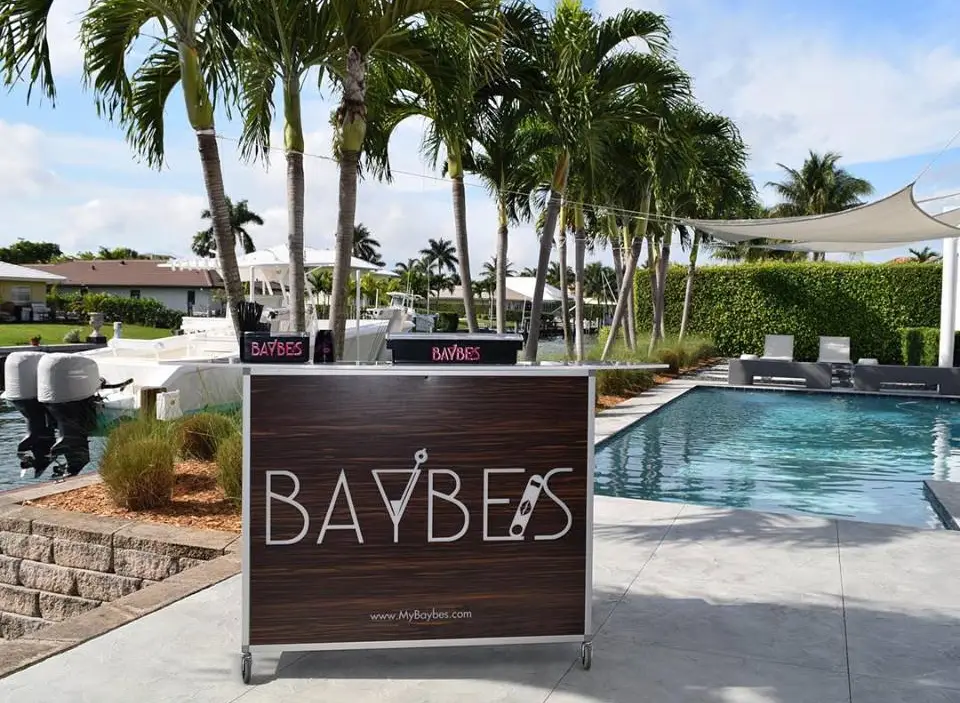
موسم الفعاليات في فلوريدا لا ينتهي حقًا. من شواطئ ميامي إلى مراكز المؤتمرات في أورلاندو، هناك طلب كبير على البارات المتنقلة. نظرًا لأن قوانين فلوريدا تفضل التأجير الجاف لغير مقدمي خدمات الطعام، فإن معداتك هي أصولك الأساسية. تم تصميم باراتنا المتنقلة للتعامل مع الرطوبة والحجم والوتيرة السريعة لفعاليات فلوريدا.
تصميم معياري
توسع من 5 أقدام إلى 15 قدمًا فورًا.
النشر السريع
جاهزة في أقل من 5 دقائق بدون أدوات.